Print Settings Generator
Starting-point settings for your material, printer, and print type
Generated settings
Popular spools for these profiles
Settings only get you so far; these are popular spools that suit these starting values.
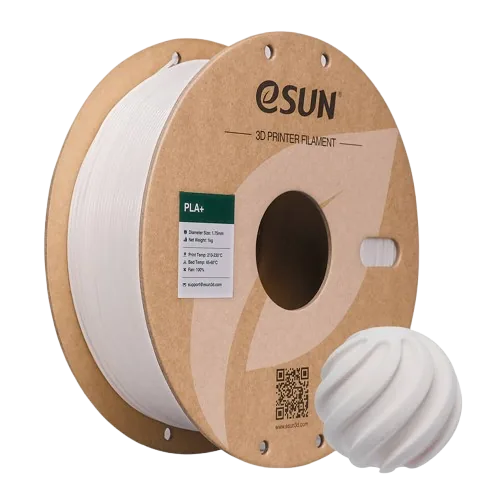
A common budget PLA: consistent diameter and a huge color range; a good match for the generator's PLA starting values.
Amazon →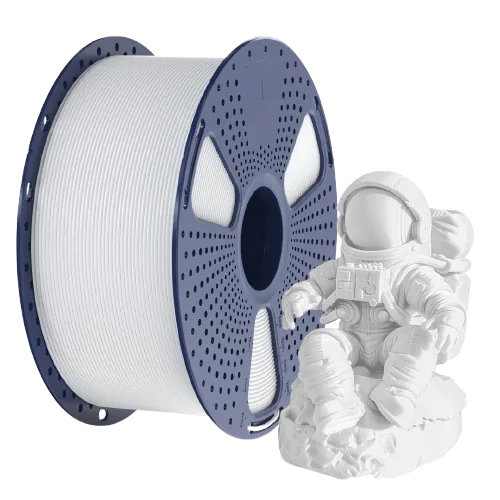
Cheap, widely used PETG for functional parts; start from the profile's stock temperatures.
Amazon →
Flexible 95A that stays predictable at the low speeds and minimal retraction our TPU profile suggests.
Amazon →Carbon-fiber PC for stiff, matte functional parts; use the PC profile. Requires a hardened steel nozzle.
Amazon →
Wet filament invalidates any settings; dry PETG, TPU and Nylon before you start tuning.
Amazon →Affiliate links. We may earn a small commission at no extra cost to you.
| Material | Nozzle range | Bed (PEI textured) | Notes |
|---|---|---|---|
| PLA | 190–240°C | 35–45°C (old Cool Plate), 45–65°C (other plates) | Most forgiving material |
| PETG | 240–270°C | 60–80°C | Prone to stringing; not recommended on the old Cool Plate (the Cool Plate SuperTack takes PETG). PETG HF: 230–260°C |
| ABS | 240–280°C | 90–100°C | Requires enclosure; ventilate fumes |
| ASA | 240–280°C | 90–100°C | Like ABS with better UV resistance |
| TPU | 200–250°C | 35–45°C | Print slowly; no retraction or minimal; never on the Cool Plate SuperTack |
| Nylon (PA) | 240–280°C | 100–120°C | Must be dry; hygroscopic |
| PC | 260–290°C | 100–120°C | Enclosed printer only; Bambu suggests a 45–60°C chamber; dry first (80°C, 8 h) |
Nozzle ranges: Bambu Lab filament material table (listed with a ±10°C tolerance). Plain nylon is not in that table; the PA range is from Bambu Studio's Generic PA profile. Plates: Bambu Cool Plate SuperTack (PLA and PETG, TPU damages it); the old Cool Plate is discontinued.